Why Companies Are Replacing Traditional Team Building with Creative Workshops
When you think of team building, what comes to mind?
For many people, it's the usual activities: escape rooms, bowling, laser tag or outdoor obstacle courses. While these activities can be enjoyable, many companies are beginning to ask an important question:
Are they actually helping teams build stronger relationships?
In recent years, organisations have started moving away from one-off entertainment and towards experiences that encourage creativity, collaboration and meaningful conversations. Creative workshops—from perfume making and candle crafting to floral arrangement and pottery—are becoming a popular choice for businesses looking to create memorable team experiences.
So, what's driving this shift?
The Purpose of Team Building Has Changed
Team building is no longer just about having fun for an afternoon.
Today's organisations want activities that support:
- Better communication
- Employee wellbeing
- Creativity
- Collaboration
- Company culture
- Employee engagement
Rather than simply entertaining employees, companies are looking for experiences that leave a lasting impact.
Creative workshops naturally encourage these outcomes without feeling forced or overly competitive.
Employees Want Meaningful Experiences
The modern workforce, particularly Millennials and Gen Z, increasingly values experiences over traditional corporate events.
Instead of another dinner or bowling session, employees are looking for activities where they can:
- Learn something new
- Express creativity
- Relax and unwind
- Connect with colleagues naturally
- Take home something they've created
A hands-on workshop offers all of these benefits in a single experience.
Employees don't just attend—they participate, create and share.
Creativity Encourages Better Collaboration
One of the biggest advantages of creative workshops is that everyone starts on equal ground.
Unlike sports or physical challenges, there are no winners or losers.
Participants collaborate by:
- Sharing ideas
- Helping one another
- Experimenting together
- Giving feedback
- Celebrating each other's creations
These interactions often feel more genuine than structured team-building exercises.
People naturally start conversations while creating something together.
A Relaxed Environment Builds Stronger Connections
Many traditional team-building activities rely on competition.
While friendly competition can be motivating, it can also create pressure or exclude employees who are less comfortable with physical or competitive activities.
Creative workshops offer a different atmosphere.
They encourage:
- Conversation
- Curiosity
- Patience
- Collaboration
- Shared learning
This relaxed setting makes it easier for colleagues from different departments to connect on a personal level.
Every Employee Can Participate
An inclusive workplace means offering activities that everyone can enjoy.
Creative workshops are suitable for people of different:
- Ages
- Fitness levels
- Backgrounds
- Personalities
- Experience levels
Whether someone is naturally artistic or has never tried a creative hobby before, workshops are designed for beginners and encourage exploration rather than perfection.
This makes them an excellent option for diverse teams.
Employees Leave with Something Meaningful
Unlike many traditional activities that end once the event is over, creative workshops allow participants to bring home something they made themselves.
Whether it's:
- A personalised perfume
- A handmade candle
- A custom soap
- A floral arrangement
- A pottery piece
The finished creation becomes a reminder of the experience and the people they shared it with.
Months later, using that perfume or lighting that candle can bring back memories of the event.
That's something a game of bowling rarely achieves.
Creative Workshops Support Employee Wellbeing
Employee wellbeing has become a priority for many organisations.
Creative activities encourage people to slow down, focus on the present moment and take a break from their daily responsibilities.
Many participants describe creative workshops as:
- Relaxing
- Therapeutic
- Mindful
- Rewarding
- Stress-relieving
This makes them particularly suitable for organisations looking to support employee wellness while strengthening team relationships.
Why Perfume Workshops Are Becoming a Popular Corporate Activity?
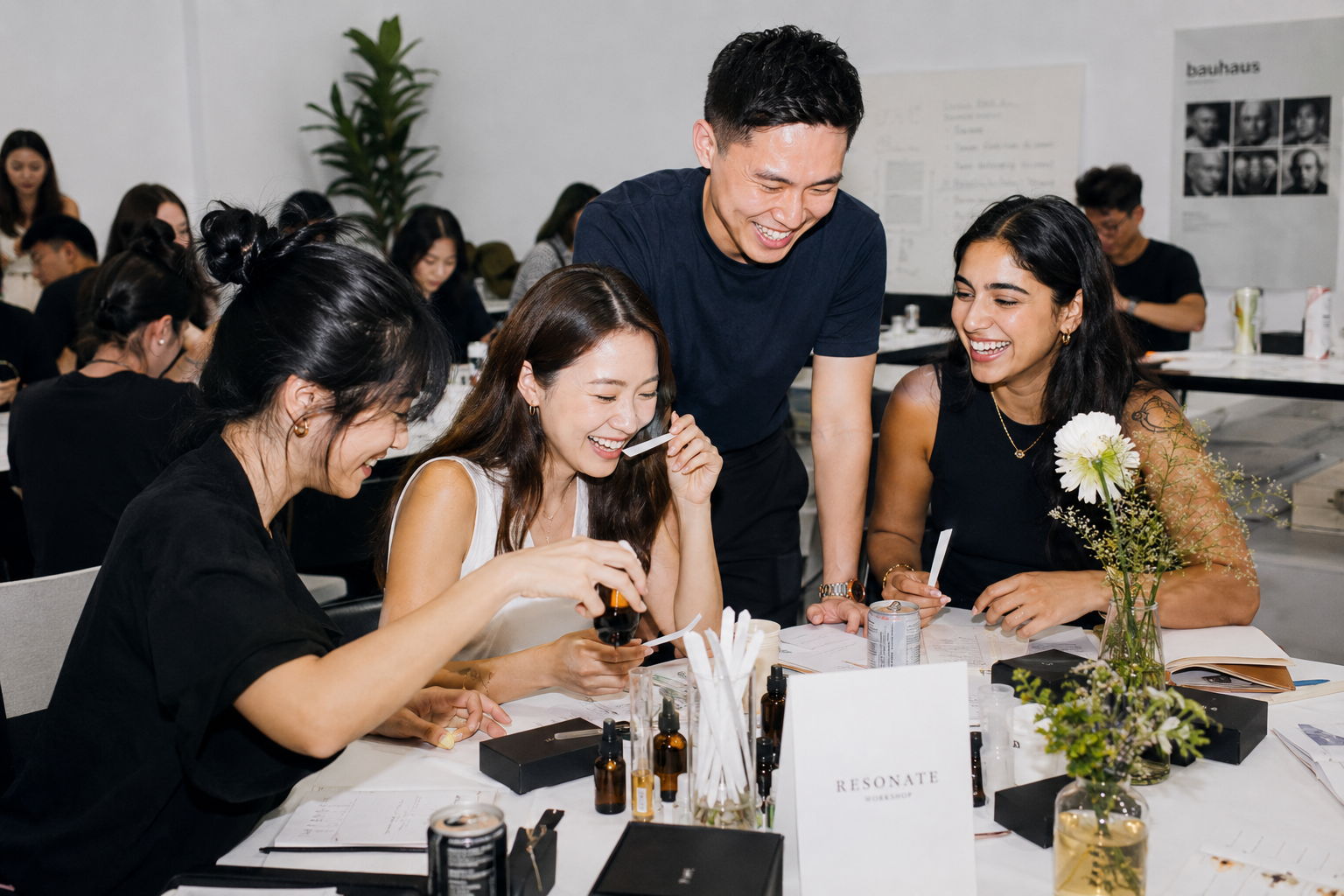
Among the many creative workshop options available today, perfume workshops have become increasingly popular for corporate events.
Creating a fragrance is both creative and personal.
Participants learn about fragrance families, experiment with different scent combinations and design a perfume that reflects their own preferences.
No two perfumes are exactly the same.
This creates an experience that's memorable, interactive and suitable for people from all backgrounds.
Many organisations also appreciate that perfume workshops:
- Encourage conversation
- Require teamwork and creativity
- Offer a premium experience
- Allow every participant to take home a personalised perfume
It's a refreshing alternative to traditional team-building activities.
Choosing the Right Workshop
The future of team building isn't about bigger budgets or more competitive activities.
It's about creating experiences that bring people together in meaningful ways.
If the objective is creativity and collaboration, activities such as perfume making, candle crafting or floral arrangement provide opportunities for employees to learn together in a relaxed environment.
Creative workshops encourage collaboration, spark conversations and leave participants with something tangible they can take home.
As organisations continue prioritising employee wellbeing, engagement and workplace culture, it's no surprise that more companies are choosing hands-on creative experiences over traditional team-building activities.
Because sometimes the strongest teams aren't built through competition—they're built through creating something together.