What Your Favourite Scent Says About Your Personality (Backed by Psychology)
Can a fragrance reveal something about your personality? While no perfume can define who you are, research in psychology suggests that the scents we’re drawn to often reflect our emotions, memories, and even aspects of our identity.
Why We’re Drawn to Certain Scents
Have you ever smelled a familiar perfume and instantly thought of a person, place or memory?
That’s because our sense of smell is directly connected to the limbic system - the part of the brain responsible for emotion and memory. Unlike our other senses, scent bypasses many processing stages and creates an almost immediate emotional response.
This is one reason why people often stay loyal to a signature fragrance for years. It’s not about smelling good - it’s about expressing who they are and how they want to feel.
While personality is far more complex than a perfume choice, psychologists have found interesting links between fragrance and emotional tendencies.
Floral Lovers: Warm, Caring and Romantic
If you naturally gravitate towards rose, jasmine, peony or lily, you may enjoy creating comfort and harmony around you.
People who love floral scents often appreciate:
- Beauty and elegance
- Strong relationships
- Meaningful experiences
- Classic styles
They’re usually drawn to fragrances that feel soft, welcoming and timeless.
Popular floral notes:
- Rose
- Jasmine
- Peony
- Lavender
- Lily of the valley
Citrus Lovers: Energetic and Optimistic
Fresh citrus fragrance like bergamot, lemon and grapefruit often appeal to people who enjoy an active lifestyle.
These individuals may be:
- Positive
- Social
- Curious
- Spontaneous
Citrus scents are frequently chosen as daytime fragrances because they feel clean, refreshing and uplifting.
Popular citrus notes:
- Bergamot
- Lemon
- Orange
- Grapefruit
- Mandarin
Green & Herbal Lovers: Calm and Grounded
If you enjoy tea, herbs, fresh leaves or green notes, you probably appreciate balance over extravagance.
Green fragrance lovers often value:
- Nature
- Simplicity
- Wellness
- Mindfulness
Popular notes:
- Green tea
- Basil
- Fig leaf
- Mint
- Bamboo
Woody Lovers: Confident and Dependable
Sandalwood, cedarwood and vetiver are often associated with stability and sophistication.
People attracted to woody fragrances may be:
- Practical
- Independent
- Calm under pressure
- Thoughtful decision-makers
Woody scents are commonly described as comforting, mature and elegant.
Popular notes:
- Cedarwood
- Sandalwood
- Vetiver
- Oak Moss
- Patchouli
Gourmand Lovers: Fun and Comfort-Seeking
Love vanilla, caramel or chocolate-inspired fragrances?
You may enjoy warmth, nostalgia and life's little pleasures.
Gourmand fragrance fans are often:
- Friendly
- Creative
- Playful
- Family-oriented
These scents have become increasingly popular in recent years because they evoke feelings of comfort and happiness.
Popular notes:
- Vanilla
- Tonka Bean
- Caramel
- Honey
- Cocoa
Fresh & Aquatic Lovers: Free-Spirited and Adventurous
Ocean-inspired fragrances often appeal to people who enjoy freedom and new experiences.
They may be:
- Adaptable
- Curious
- Easy-going
- Independent
Fresh fragrances are especially popular among people who prefer subtle scents that can be worn every day.
Popular notes:
- Marine Accord
- Sea Salt
- Water Lily
- Cucumber
- Lotus
Your Signature Scent Is Also Shaped by Memories
Have you ever bought a perfume simply because it reminded you of your childhood?
That's completely normal.
Psychologists call this the "Proust Effect"—the powerful ability of scent to trigger vivid autobiographical memories.
A fragrance might remind you of:
- Your grandmother's garden
- A holiday by the beach
- Your first date
- A favourite café
- A special celebration
Sometimes we're not choosing a perfume because of its ingredients—we're choosing the feelings and memories it brings back.
In a world that's constantly moving faster, perhaps the best form of self-care is giving yourself permission to slow down and create.
There's No "Right" Personality for Any Fragrance
It's important to remember that these associations are tendencies, not rules.
A confident executive might wear sweet vanilla.
An introvert might love bright citrus.
Someone can enjoy woody fragrances in winter and floral scents in spring.
Our fragrance preferences often change with:
- Age
- Seasons
- Mood
- Lifestyle
- Life experiences
That's what makes perfume so personal.
Finding the Fragrance That Feels Like You
Rather than asking, "What's the best perfume?", try asking:
- Which scent makes me feel confident?
- Which fragrance feels most like "me"?
- Which memories do I want to carry with me?
The best perfume isn't always the most expensive one—it's the one that tells your story.
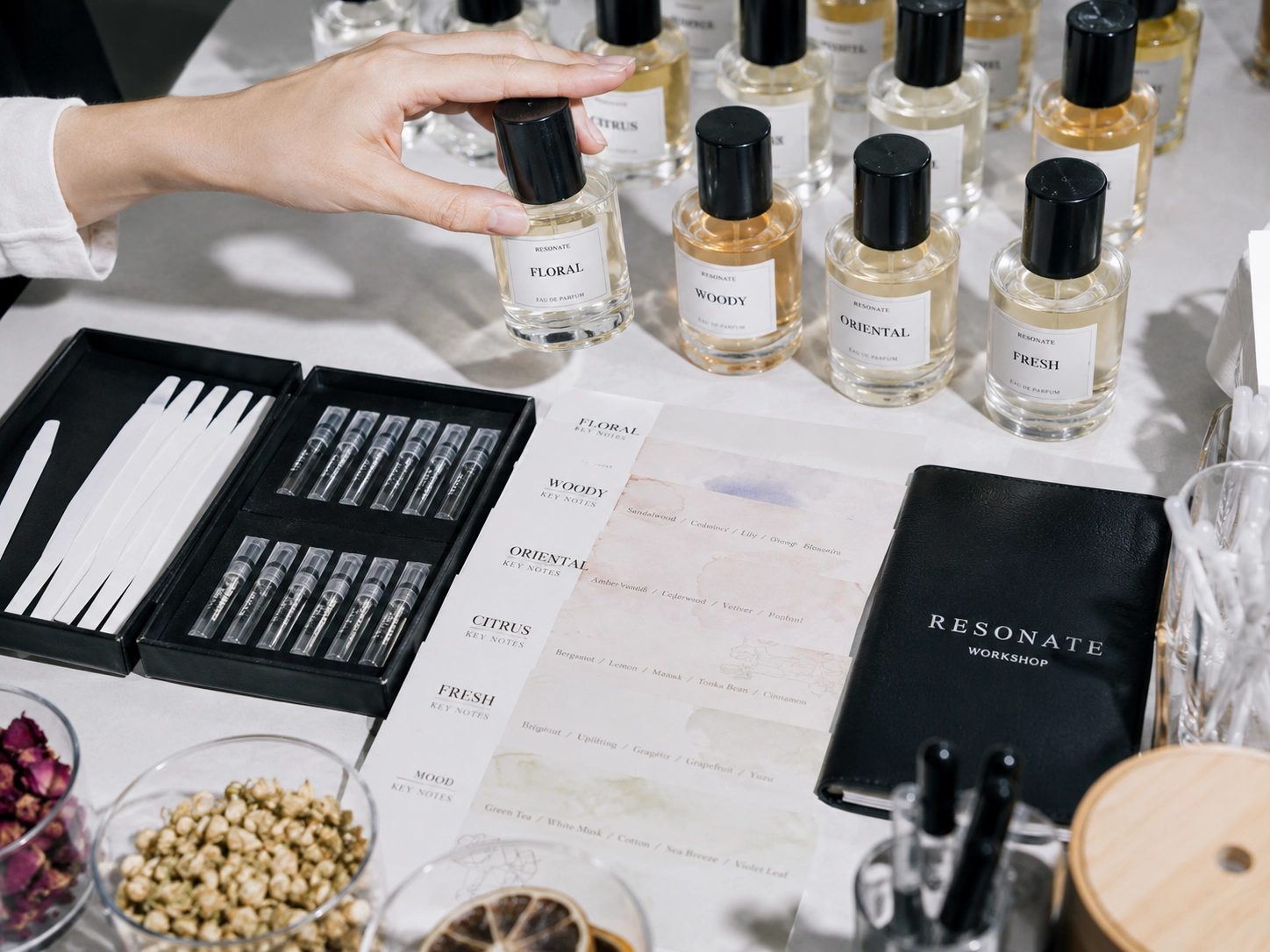
If you've ever wanted to understand fragrance on a deeper level, learning how different scent families work together can completely change the way you experience perfume. Exploring perfume creation is a fun way to discover the notes you're naturally drawn to and design a fragrance that reflects your own personality.