TikTok Made Me Buy It — But Does Viral Makeup Actually Work in Singapore Weather?
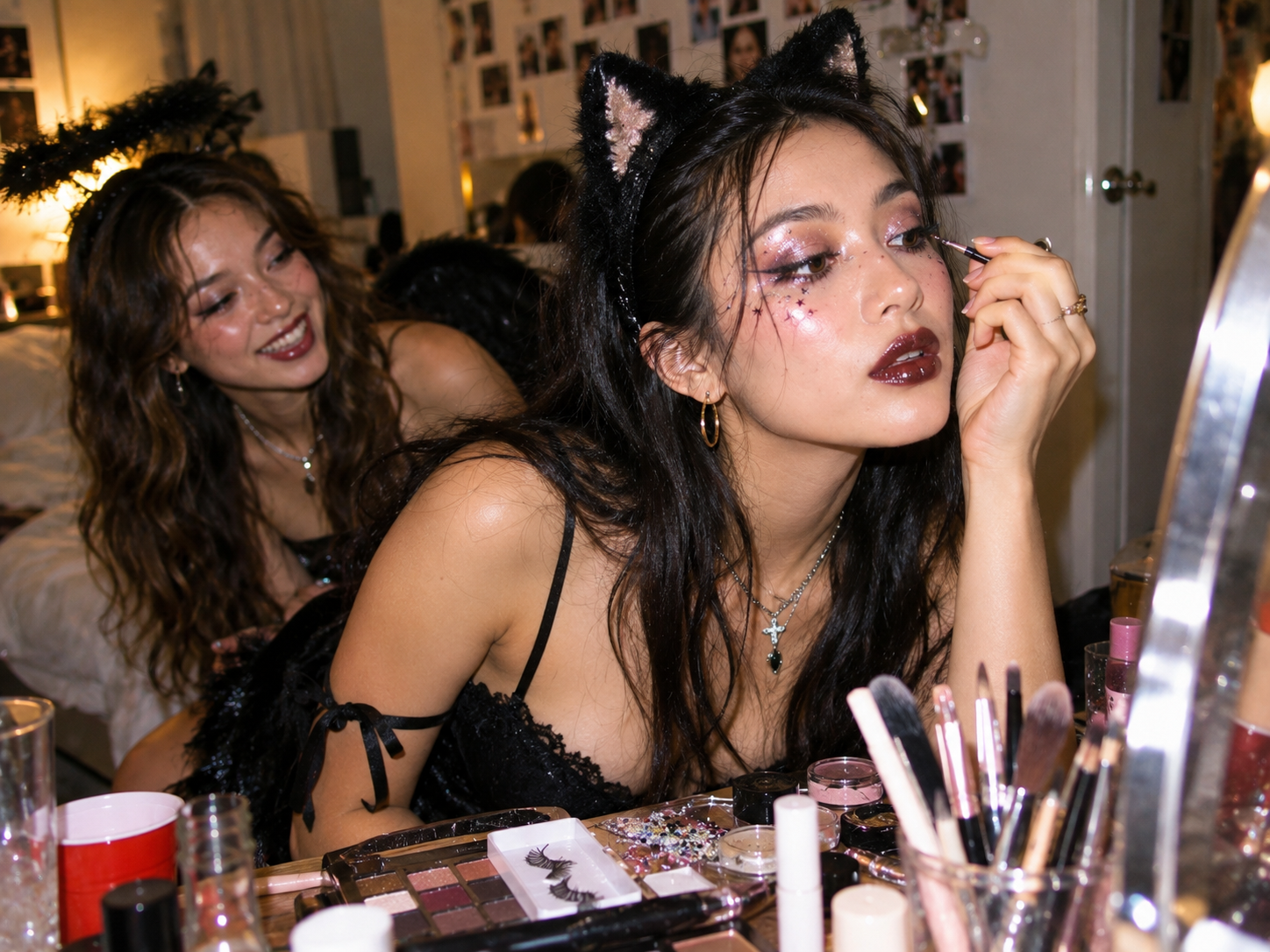
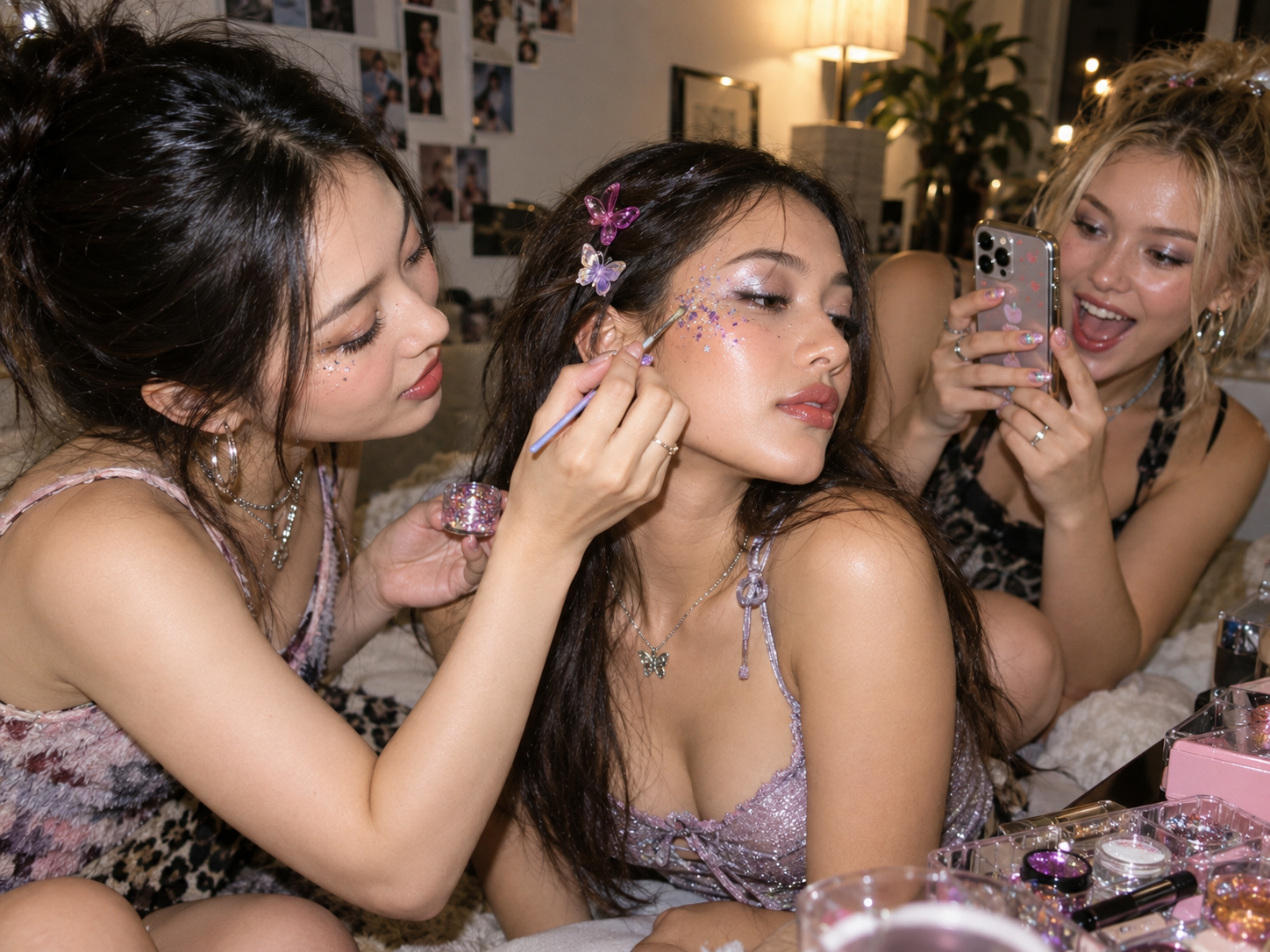
You know the drill: You’re scrolling through TikTok at 1:00 AM, and a beauty creator in Los Angeles or Seoul posts a video testing a new product. Under studio lighting and inside a climate-controlled room set to 20°C, their skin looks filtered, dewy, and utterly glass-like.
“This foundation lasts 24 hours!” they claim. “No setting powder needed!”
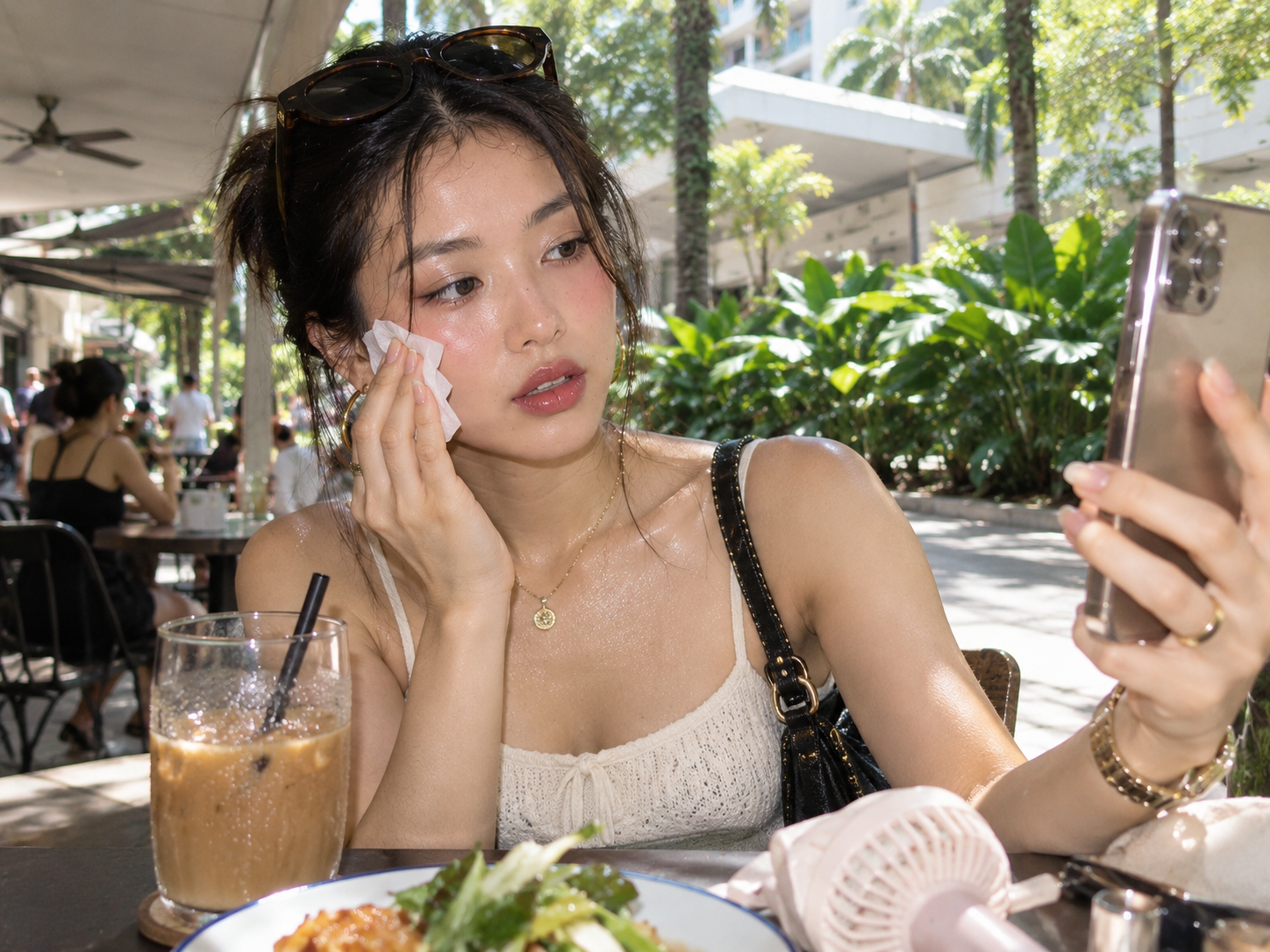
Hypnotized, you head to Sephora or Shopee, tap Buy Now, and wait eagerly for package delivery. But then reality hits: You step out of your air-conditioned room into Singapore’s daily 32°C heat and 80%+ relative humidity.
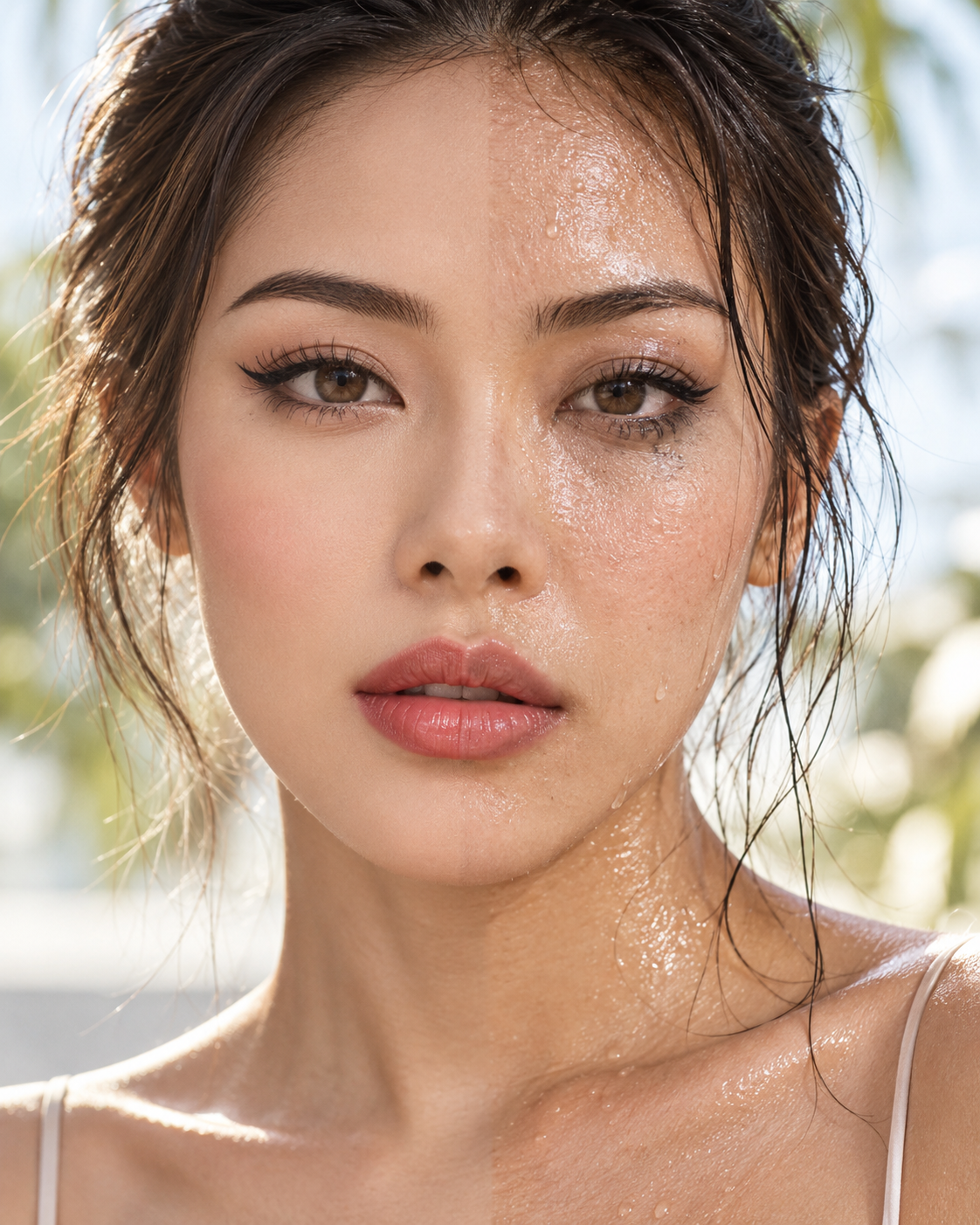
Within 15 minutes of walking to the MRT station, that "luminous glow" turns into a greasy oil slick, your concealer starts separating into fine lines, and your blush completely vanishes into thin air.
So, why do viral TikTok makeup products fail so spectacularly in tropical climates—and which viral formulations can actually survive Singapore's climate?
1. The Science of the "Singapore Melt"
To understand why western or temperate climate trends fail in Southeast Asia, you have to look at how humidity alters makeup mechanics:
- Occlusive Formulas Trap Sweat: Dewy cushion compacts and heavy cream products rely on rich oils and emollients. In dry climates, these lock in moisture. In Singapore, your pores continue producing sweat and sebum beneath that barrier. The sweat gets trapped, lifting the makeup off your skin from the bottom up.
- Emulsification Breakdown: Heat and humidity act as natural emulsifiers. As oil (your natural sebum) meets water (your sweat) on top of a silicone- or oil-based foundation, the product chemically breaks down, causing that dreaded "patchy separation."
- Powder Cakeiness: Slapping thick setting powder over a melting face creates a pasty, cakey slurry that settles into pores and textures.
2. Viral Trend Audit: What Works vs. What Fails in SG
Here is a reality check on the most popular viral TikTok beauty trends when put to the test in Singapore’s heat:
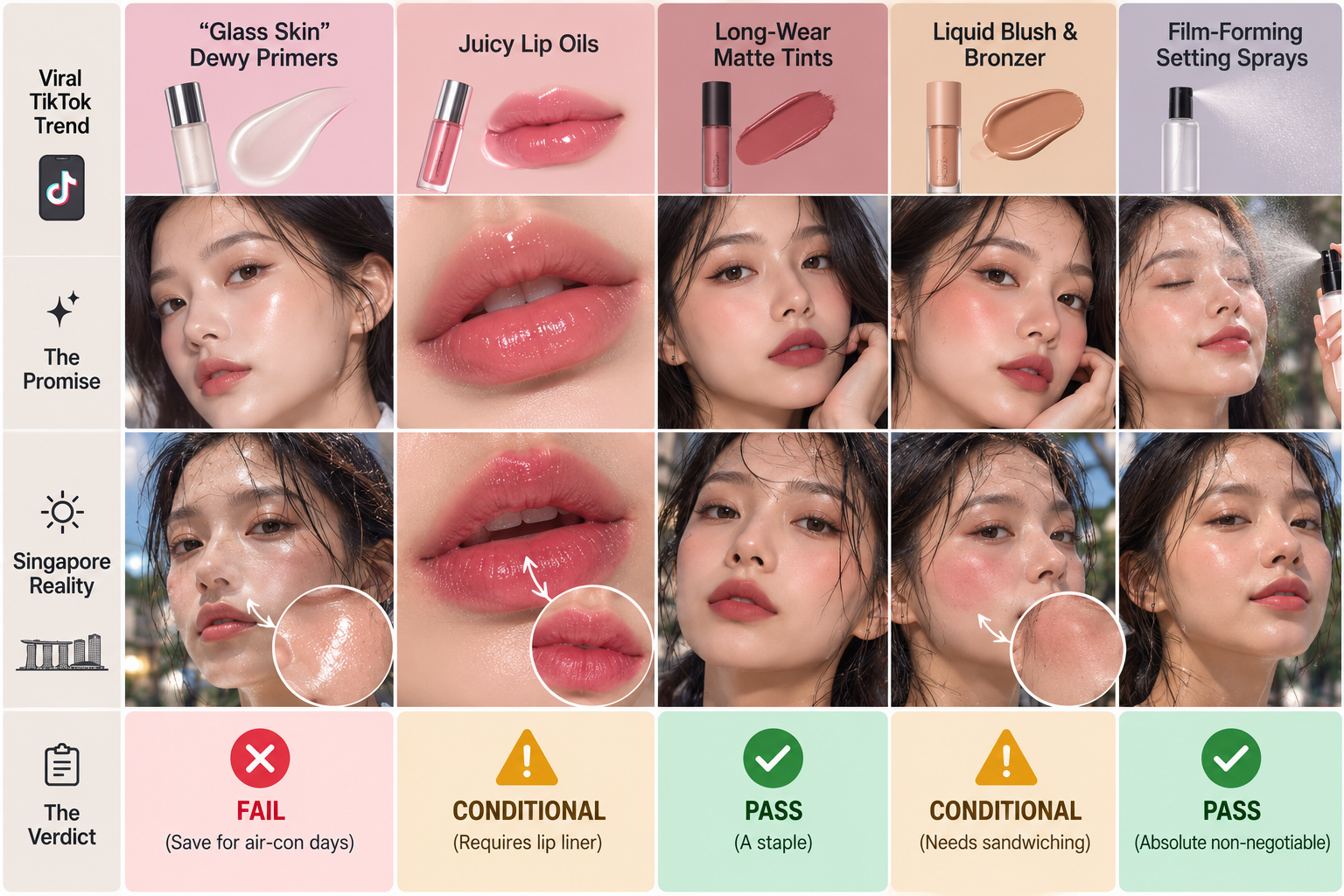
3. How to Make Viral Makeup Work in High Humidity
If you bought into the hype and don't want your viral products going to waste, you don't have to throw them away. You just need to change your application technique to match tropical conditions.
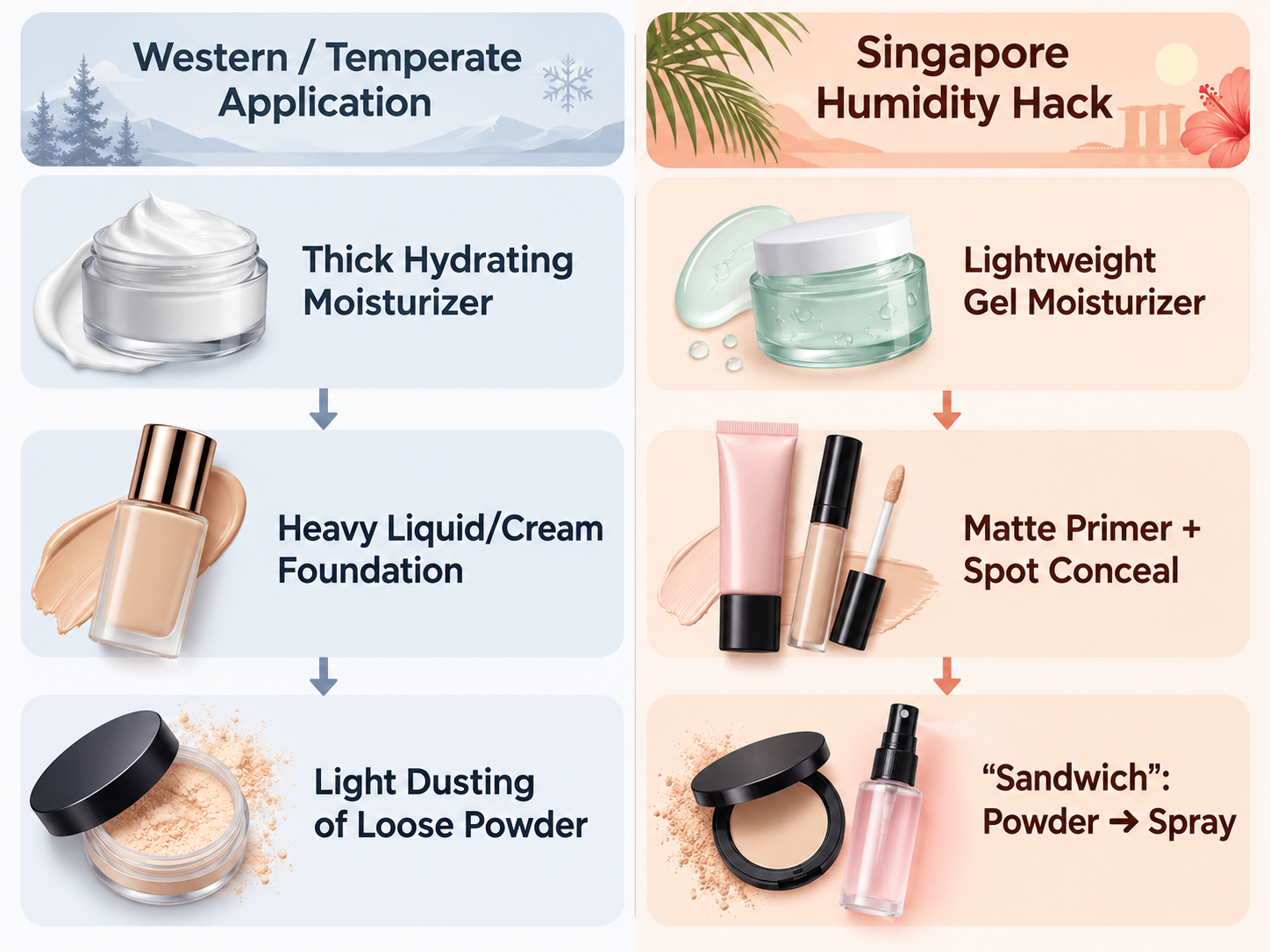
The "Sandwiching" Technique
To stop creams and liquids from sliding off, use the Sandwich Method:
- Apply your skincare and let it absorb completely (give it 5 full minutes).
- Lightly dust a micro-fine translucent setting powder before applying foundation or cream blush.
- Apply your makeup using thin, pressed layers rather than wiping motions.
- Finish with a heavy-duty, film-forming setting spray.
- Dust one final light layer of powder over the T-zone.
4. The Golden Rules for SG Beauty Shopping
Before hitting checkout on the next viral product on your FYP, run it through this quick decision filter:
- Check the Origin Creator's Climate: Is the creator filming in 15°C London or 35°C Texas/Florida? If they are in a dry, cool climate, halve their wear-time claims for Singapore.
- Look for Key Keywords: Look for terms like "film-forming," "sebum-control," "transfer-resistant," and "water-resistant." Avoid terms like "ultra-nourishing," "rich oil-infused," or "wet-look finish" for everyday wear.
- Prioritize Thin Layers: Gel and water-based formulations will always outperform thick, heavy creams in the tropics.
Make Viral Makeup Work for You
The lesson isn’t to avoid TikTok trends—it’s to understand how to adapt them to your skin, environment, and lifestyle. A technique that looks flawless in a cool, dry climate may need completely different preparation and layering to survive Singapore’s heat and humidity.