K-Beauty Is Getting Even Bigger in Singapore — But What Actually Goes Into a Cosmetic Product?
Singapore's K-beauty scene just got a major upgrade.
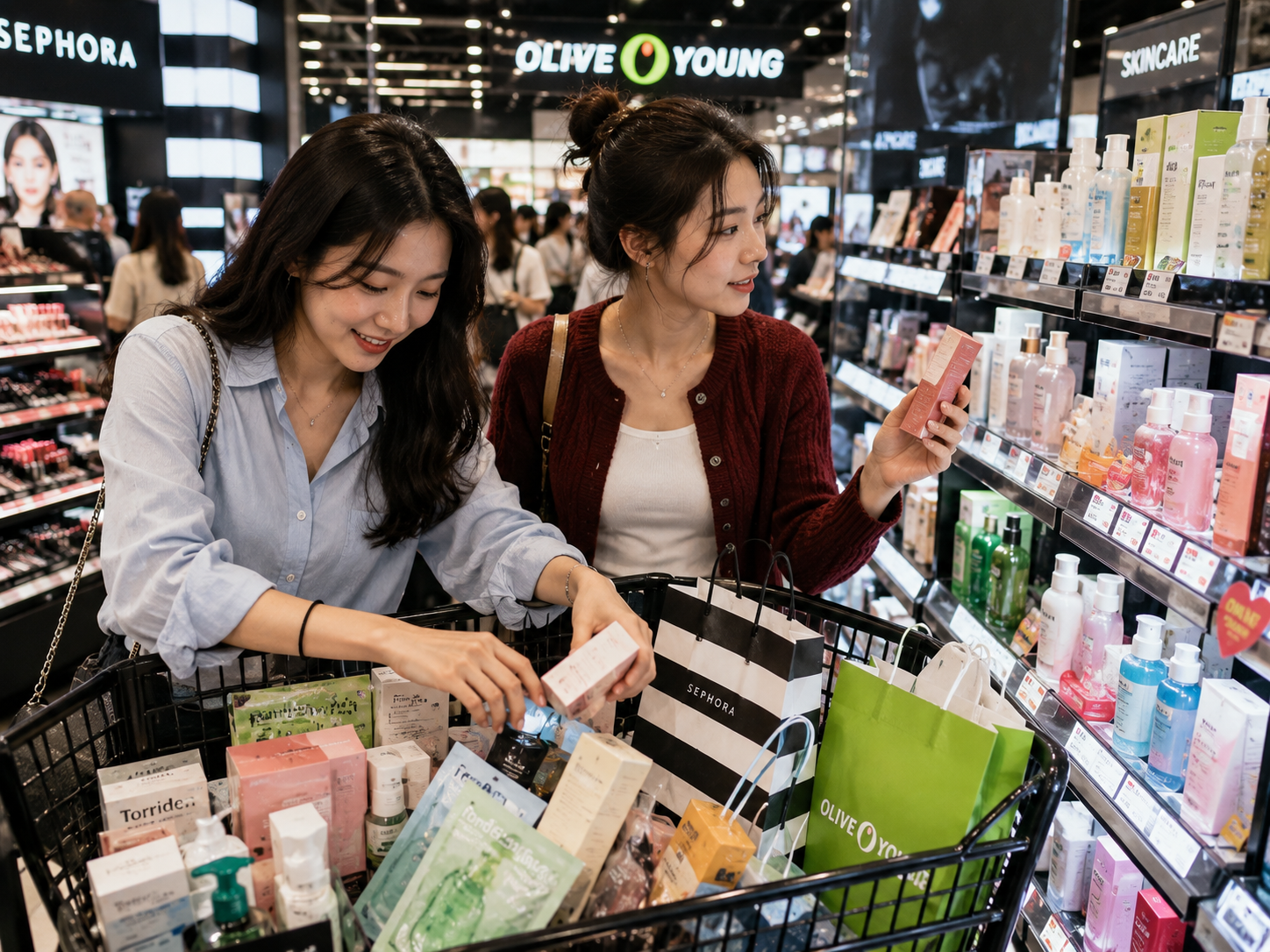
On 2 September 2026, Sephora officially launched the Olive Young K-Beauty Edit in Singapore, bringing the influence of South Korea's leading health and beauty retailer directly into Sephora stores. The collaboration brings more than 20 Korean beauty brands and over 180 products across Singapore, Malaysia and Thailand, including names such as Dr. Althea, BIOHEAL BOH, REJURAN and Celimax.
For anyone who has visited Olive Young in Korea — or added it to their travel itinerary specifically for a beauty haul — this is a pretty significant development.
Instead of waiting for the next trip to Seoul to discover what's trending, Singapore shoppers now have easier access to an Olive Young-curated selection through Sephora.
Decoding the Formula: The Core Architecture of Modern Skincare
With over 180 new formulas hitting local shelves, standing in front of the beauty display can feel overwhelming. To understand why K-beauty has captivated global consumers, it helps to look past the vibrant packaging and examine the chemistry behind the bottle.
Every skincare product—whether a lightweight essence, targeted serum, or rich cream—is built around a precise structural framework designed to balance performance, shelf life, and skin feel.
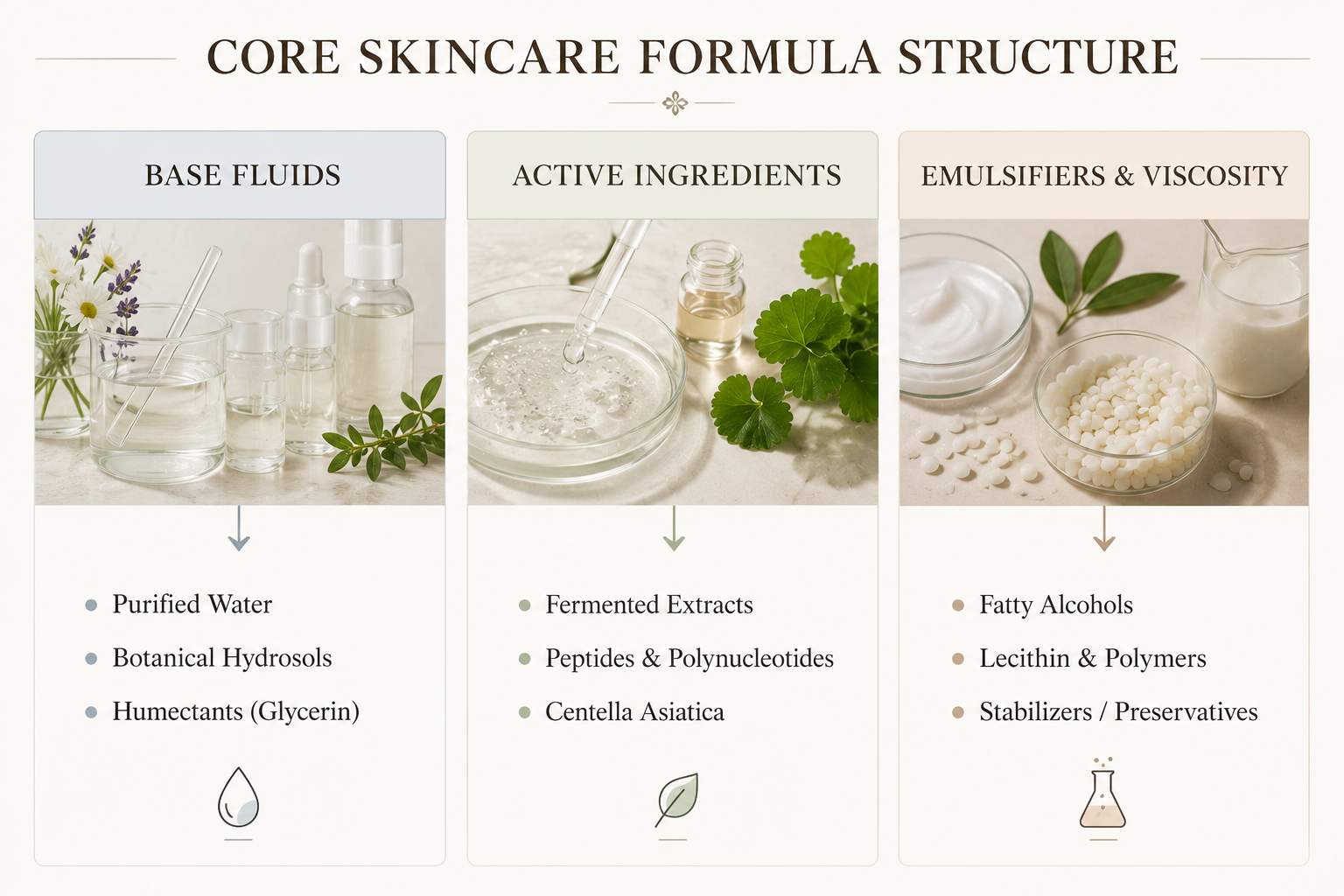
1. The Solvents and Humectants (The Base)
Most skincare formulations start with a water or botanical base. Humectants like glycerin, sodium hyaluronate, and panthenol are dissolved into this base to draw water from the environment into the skin’s surface layers, providing instant plumping and hydration.
2. The Bio-Actives (The Performance Engine)
This is where K-beauty truly differentiates itself. Korean formulations prioritize gentle, high-performance actives that support long-term skin health rather than harsh, immediate peeling agents.
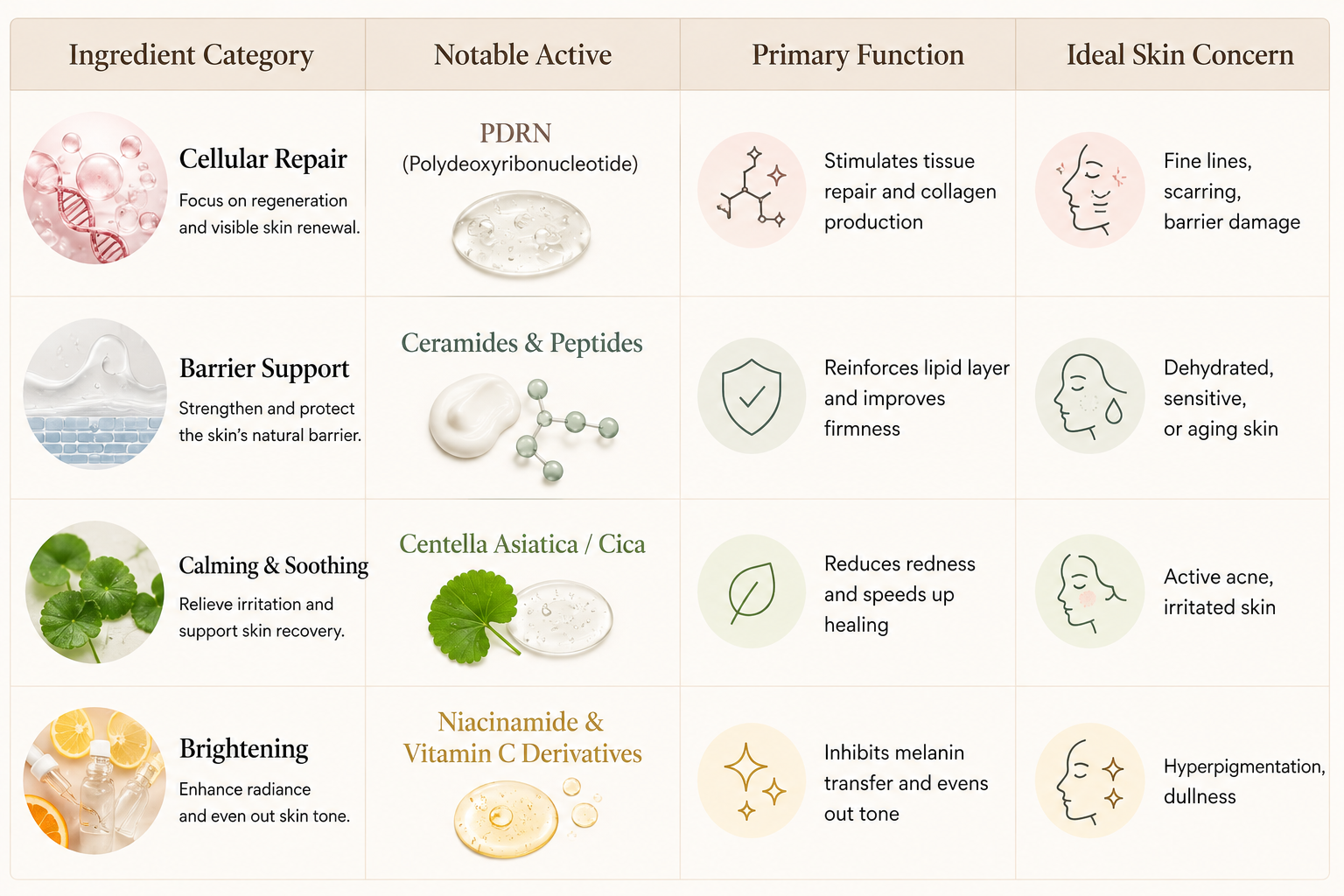
- PDRN (Polydeoxyribonucleotide): Originally derived from salmon DNA and popularized in clinical treatments like REJURAN, PDRN is loved for its cellular repair, elasticity, and anti-inflammatory properties.
- Fermented Lysates: Ingredients like Bifida Ferment Lysate break down complex nutrients into smaller molecules, allowing deeper absorption while nourishing the skin barrier.
- Botanic Soothers: High concentrations of Centella Asiatica (Cica) and Heartleaf (Houttuynia Cordata) remain staple actives engineered to calm inflammation in tropical, humid climates.
3. Emulsifiers and Delivery Systems (The Vehicle)
Oil and water naturally repel each other. Emulsifiers act as molecular bridges to bind them together into smooth textures. Advanced K-beauty laboratories excel at creating ultra-lightweight delivery systems—such as micro-encapsulation and liposome technology—that transport active ingredients deep into the epidermis without leaving a heavy, sticky film.
Smart Shopping: How to Read a K-Beauty Label Like a Pro
With the Sephora x Olive Young lineup now available locally, here is a practical guide to help you choose products tailored to your skin's exact needs:
- Check the First 5 Ingredients: Ingredients are listed in descending order of concentration. The top five ingredients make up the vast majority of the bottle's volume, so make sure your targeted active appears near the top.
- Look for Synergistic Pairs: Certain ingredients work better together. Look for pairings like Niacinamide + Centella for gentle brightening or Hyaluronic Acid + Ceramides for deep moisture retention.
- Match Texture to the Local Climate: Singapore’s humidity means high-viscosity products can sometimes feel suffocating. Look for gel-creams, watery essences, and fast-absorbing ampoules that deliver high concentrations of actives without clogging pores.
Go Beyond the Beauty Shelf
You don't have to travel to Korea — or simply admire the latest K-beauty products from the shelf — to explore the creative process behind cosmetics.