From Lanterns to Candles: Why Light Has Always Been Part of Celebration
Light has always had a special place in the way we celebrate.
From lanterns glowing during the Mid-Autumn Festival to candles flickering on birthday cakes, light appears in traditions across cultures and generations. Sometimes it represents hope and good fortune. Sometimes it creates warmth and atmosphere. And sometimes, it simply signals that a special moment is about to begin.
As Singapore celebrates the Mid-Autumn season this September, colourful lanterns will once again illuminate parks, neighbourhoods and festive gatherings. But why are we so naturally drawn to light when we celebrate?
The Evolutionary Spark: How Fire Formed the First Human Circles
To understand our emotional connection to festive light, we have to look far beyond modern history and step into our prehistoric past.
Before the advent of electric grids, streetlamps, and LED displays, nightfall brought total darkness and genuine peril. Night belonged to predators, cold weather, and uncertainty. The discovery of fire changed human evolution overnight—not just biologically, through cooked food, but socially and psychologically.
When our ancestors gathered around a campfire, the circle of light created a safe haven against the dark. Within that illuminated radius, people could drop their guard, tell stories, break bread, and bond. Fire wasn't just heat; it was the world's very first venue for community gathering.
Psychologists refer to this shared ancestral memory as our innate preference for warm, localized illumination. When we light a candle on a table or carry a glowing lantern under the night sky, we are sub-consciously recreating that ancient campfire circle—an invitation for people to draw close, feel safe, and belong.
The Universal Symbolism: Light Across Global Cultures
While different cultures evolved independently across continents, almost every major civilization placed light at the absolute center of its most important rituals and milestones. Light serves as a universal language that transcends spoken words.
- Light as Hope and Triumph Over Darkness
In Hindu culture, Diwali (the Festival of Lights) uses rows of clay lamps (diyas) to celebrate the victory of light over darkness and good over evil.
Similarly, during the Jewish celebration of Hanukkah, the lighting of the menorah commemorates endurance, faith, and miraculous resilience. In both traditions, lighting a flame is an act of spiritual defiance against hardship.
- Light as a Beacon for Loved Ones
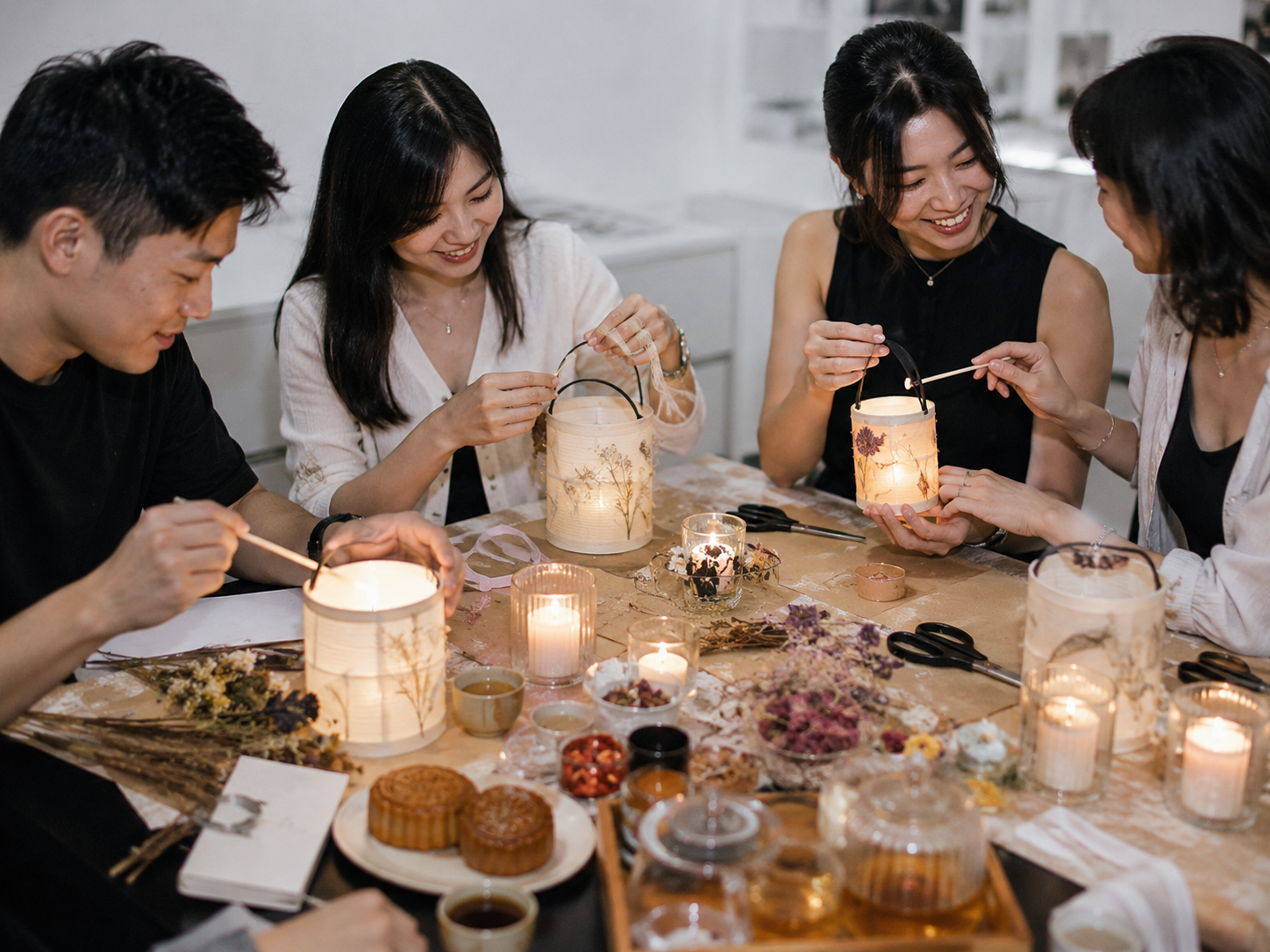
During the Mid-Autumn Festival, illuminated lanterns serve dual functions. Historically, carrying paper lanterns into the night was thought to symbolize good fortune and guide the way for prosperity.
Beyond symbolism, the warm glow of lanterns hanging from balconies or carried through neighborhood parks acts as a beacon, welcoming family members home to share mooncakes and spend time together under the full moon.
- Light as a Marker of Personal Time
Even in secular settings, light marks our individual life chapters. We place candles on birthday cakes, count down, and blow them out after making a wish.
This ritual, dating back to the ancient Greeks who offered round cakes with candles to the moon goddess Artemis, transforms a simple dessert into a threshold moment marking another year of life.
The Science of Mood: Why Flame and Warmth Change How We Feel
Our fascination with festive lighting isn't purely cultural or nostalgic—it is deeply neurological and biological. The human eye and brain respond to light quality in ways that directly alter our brain chemistry and emotional state.
Circadian Biology and Color Temperature
Modern fluorescent office lighting and smartphone screens emit high levels of short-wavelength blue light. Blue light tricks our brain into staying alert by suppressing melatonin and keeping our cortisol levels elevated.
Festive light—whether from a candle flame, a paper lantern, or warm decorative fairy lights—operates at a much lower color temperature (around 1,500K to 2,700K). This warm, golden hue signals to our autonomic nervous system that the day's toil is over. It triggers a shift from the sympathetic state ("fight or flight") into the parasympathetic state ("rest and digest").
The Mesmerizing Quality of "Flicker"
A steady LED bar light is functional, but a flickering flame or translucent lantern glow is captivating.
The slight, rhythmic variation of a natural candle flame stimulates gentle visual tracking without over-stimulating the brain. It encourages what environmental psychologists call soft fascination—a restful mental state where focus softens, stress melts away, and conversation flows more naturally.
Lanterns in the Lion City: How Singapore Celebrates the Season
In Singapore’s urban landscape, where high-rise architecture and modern infrastructure dominate the skyline, festive lighting plays a unique role: it anchors us to heritage and softens the city.
Every September, places like Gardens by the Bay, Chinatown, and heartland parks across the island transform into glowing canvases.
- Bridging Generations: The simple act of carrying a lantern—whether a traditional cellophane rooster or a battery-operated cartoon character—is one of the earliest festive memories for children in Singapore. It is an activity passed down seamlessly from grandparents to parents to toddlers.
- Creating Temporary Sanctuaries: Lighting up a park or a estate garden turns an ordinary public space into an extraordinary communal living room. It invites residents to step down from their apartments, put away their screens, and walk together under the evening breeze.
- Fostering Cross-Cultural Joy: While rooted in Chinese tradition, the sight of lanterns during the Mid-Autumn Festival draws people of all cultural backgrounds together across Singapore, offering a shared experience of beauty and celebration.
Bringing the Magic Home: Simple Ways to Use Light to Elevate Everyday Moments
You don't have to wait for a major festival to harness the transformative power of light. By making small, intentional adjustments to how you illuminate your living space, you can create a daily sense of occasion.
1. Practice the "Evening Dim": One hour before bedtime, turn off all harsh overhead ceiling lights. Rely instead on floor lamps, table lamps, or warm fairy lights to signal to your body that it is time to unwind.
2. Elevate Meals with Candles: Lighting even a single candle during a weekday dinner instantly elevates the meal from a functional chore to a mindful ritual. It encourages family members to linger longer at the table and talk.
3. Incorporate Translucent Textures: Draw inspiration from traditional paper lanterns by using light fixtures with rice paper, fabric, or frosted glass shades. These materials diffuse light evenly, eliminating harsh glare and casting a soft, flattering glow across the room.
4. Step Outside into the Glow: During festive seasons like Mid-Autumn, make a conscious effort to take evening strolls through illuminated parks. The combination of fresh night air and warm festive lights offers an instant reset for a tired mind.
Light Changes, but the Meaning Remains
From traditional lanterns illuminating a Mid-Autumn evening to candles glowing around a table, the ways we use light continue to evolve.
What hasn't changed is what light often represents.
Warmth. Celebration. Connection. A moment worth remembering.
Perhaps that is why, even in a world filled with screens and LED displays, there is still something captivating about the simple glow of a lantern or the flicker of a candle.
This Mid-Autumn season, take inspiration from a tradition that has illuminated celebrations for generations — and create a little light of your own.